
Air Sense Environmental on Radon and Climate Change: Is Rising Soil Moisture Increasing the Risk?
Edwardsville, United States - May 22, 2025 / Air Sense Environmental /
Edwardsville, IL — Climate change is doing more than causing storms and floods—it’s raising soil moisture levels, especially in the Midwest. This wetter ground makes it easier for radon, a radioactive gas from decaying underground uranium, to seep into homes through cracks in foundations and walls. Air Sense Environmental - Radon Mitigation & Testing warns that these shifting conditions could mean higher radon exposure risks for St. Louis homeowners.

Understanding the Radon Risk
In the U.S., radon exposure ranks as the second most common cause of lung cancer in nonsmokers. Because of this, it poses a major risk to public health, particularly in places like Missouri and Illinois, where radon levels can be elevated.
Radon can enter homes year-round, but wetter soil increases the chances. That’s because water in the soil helps transport the gas and push it into homes. Homeowners living in basements or homes with crawl spaces may be at even greater risk.
The Missouri Department of Health and Senior Services provides a public dashboard showing radon test results by county. The data shows many homes with elevated radon levels, especially in and around the St. Louis area. Testing and radon remediation are more important than ever.
How Soil Moisture Impacts Radon Entry
Soil Saturation Increases Gas Movement
When the ground is soaked with water, it can actually trap and move radon more easily. As water fills the empty spaces in the soil, radon gas gets pushed out and rises toward the surface. If a home has any openings, the gas can slip through and accumulate inside.
Changing Groundwater Levels
More moisture in the soil means higher groundwater levels. This can affect how gases like radon flow underground. Wet soil pushes radon toward homes, raising the risk of exposure for people living inside.
Foundation Vulnerabilities
Wet soil affects the materials that make up a home’s foundation. Over time, this can cause cracks to grow, giving radon new ways to enter. Even well-built homes are not completely sealed against gases in the ground.
Radon Mitigation in St. Louis Homes
Installing a Radon Mitigation System
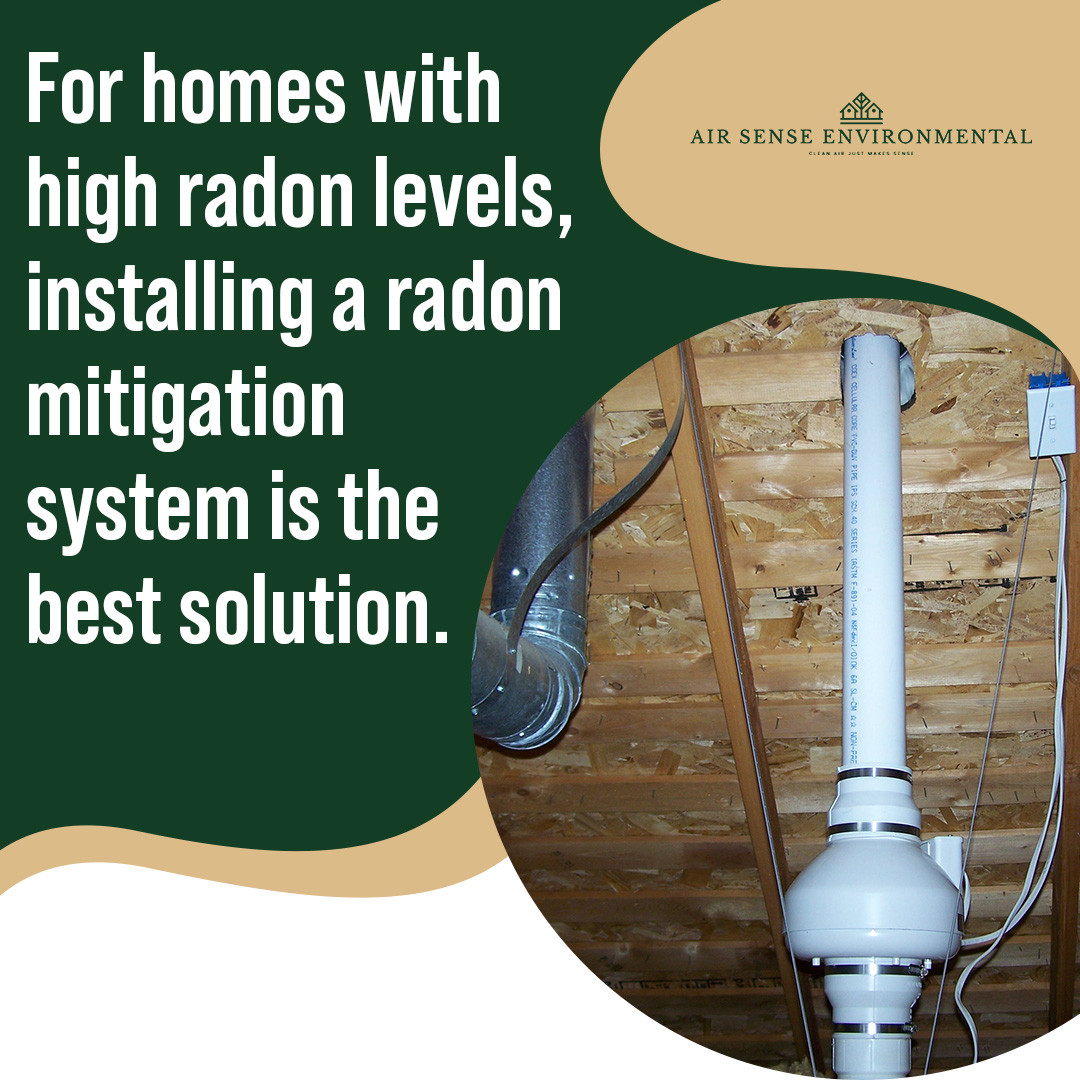
For homes with high radon levels, installing a radon mitigation system is the best solution. One common system is sub-slab depressurization, which uses a pipe and fan to pull radon from beneath the home and release it safely outside.
Other strategies include:
Sealing cracks and gaps in floors and walls
Ventilating crawl spaces and basements
Using sump pump covers and sealed lids
Installing radon exhaust fans
Monitoring with radon detectors
These steps can lower indoor radon levels and protect everyone in the home.
The Cost of a Radon Mitigation System
One question many homeowners ask is about the cost of a radon mitigation system. Prices vary based on the size of the home and the system type. On average, homeowners in the St. Louis area can expect to pay between $1,500 and $3,000 for a complete radon mitigation system.
This one-time investment can help reduce long-term health risks. Plus, most systems require minimal upkeep. The Environmental Protection Agency (EPA) suggests retesting your home every two years to make sure the system is working properly.
Radon Remediation by Air Sense Environmental
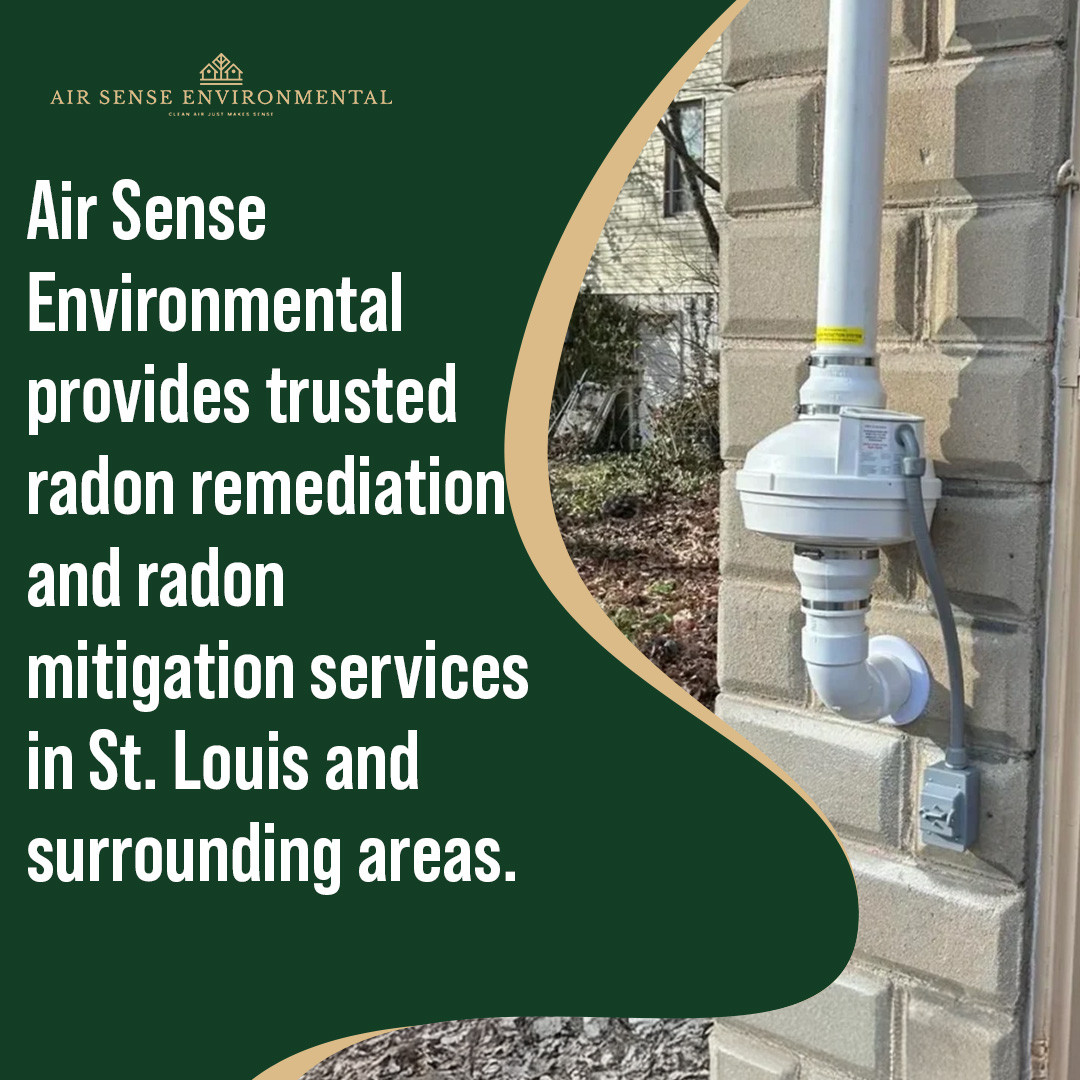
Air Sense Environmental provides trusted radon remediation and radon mitigation services in St. Louis and surrounding areas. Their services are designed to help homeowners detect, reduce, and monitor radon levels.
They start by testing indoor air for radon levels. If high levels are found, they offer tailored solutions based on the home’s layout and radon levels. Their team installs effective systems and provides regular maintenance, helping families feel safer in their homes.
Air Sense Environmental also works to educate the public. By raising awareness, they encourage more homeowners to test and take steps to fix radon problems before they lead to health issues.

Protecting Homes in a Changing Climate
With climate change increasing soil moisture, radon risks are growing in many areas. Homeowners in the Midwest, especially those in and around St. Louis, should take the warning seriously. Radon is a hidden danger that can be managed with proper testing and action.
The cost of a radon mitigation system is small when compared to the long-term health risks of radon exposure. And for those who want a secure atmosphere, installing a mitigation system and following up with regular checks is the smartest path forward.
By working with professionals like Air Sense Environmental in Edwardsville, IL, families can take control of their indoor air quality and avoid health risks linked to radon. It’s time to treat radon as more than just a background issue—it’s a real concern that requires immediate attention. Contact them at (618) 593-4815 or jason@airsenseenvironmental.com for more information.
Contact Information:
Air Sense Environmental
5237 Old Alton Edwardsville Rd
Edwardsville, IL 62025
United States
Jake Lusby
(618) 593-4815
https://www.airsenseenvironmental.com


Original Source: https://airsenseenvironmental.com/air-sense-environmental-on-radon-and-climate-change-is-rising-soil-moisture-increasing-the-risk/
